
Jan
News
Vietnam New Year Traditions – Celebrating Tet with Rich Culture and Joy
Vietnam New Year traditions, known as Tet Nguyen Dan or simply Tet, represent the most important and eagerly awaited celebration in Vietnamese culture. This festival is a perfect blend of familial bonding, spiritual rituals, and vibrant cultural expressions unique to Vietnam. Rooted in centuries-old customs and beliefs, Vietnam New Year traditions showcase the essence of renewal, luck, and togetherness. This article explores the depth, significance, and lively practices that make Tet an unforgettable cultural experience.
The Significance Behind Vietnam New Year Traditions
Vietnam New Year traditions are much more than just marking the start of a new lunar year; they encapsulate spiritual renewal, family unity, and cultural pride. Understanding the deeper meaning helps appreciate why these customs have endured and evolved.
Tet marks the arrival of spring and is based on the lunar calendar, typically falling between late January and early February. The festival is a time to bid farewell to the hardships of the past year and welcome prosperity and happiness. The customs reflect a collective wish for good fortune, health, and success.
Spiritual Renewal and Tet’s Symbolism
For Vietnamese families, Tet is a sacred time to honor ancestors and seek blessings for the year ahead. Homes are cleaned meticulously to sweep away bad luck and make space for good fortune. The practice of ancestor worship features prominently, with altars adorned with offerings representing wealth and gratitude.
This spiritual renewal involves symbolic rituals such as giving “li xi” (red envelopes containing money) to children and younger family members. This act spreads blessings and good luck generously within the family circle and beyond.
Family Unity at the Heart of New Year Traditions
Vietnam New Year traditions emphasize spending quality time with family. Travelers often undertake long journeys to reunite with relatives, underscoring the importance of family ties. Shared meals featuring special Tet foods highlight belonging, continuity, and the joy of togetherness.
Community celebrations such as lion dances, fireworks, and street fairs further amplify Tet’s vibrant atmosphere, inviting joy and social cohesion. These traditions underscore the dual nature of Tet—intimate familial reverence coupled with exuberant public festivity.
Traditional Foods and Symbolic Dishes During Tet
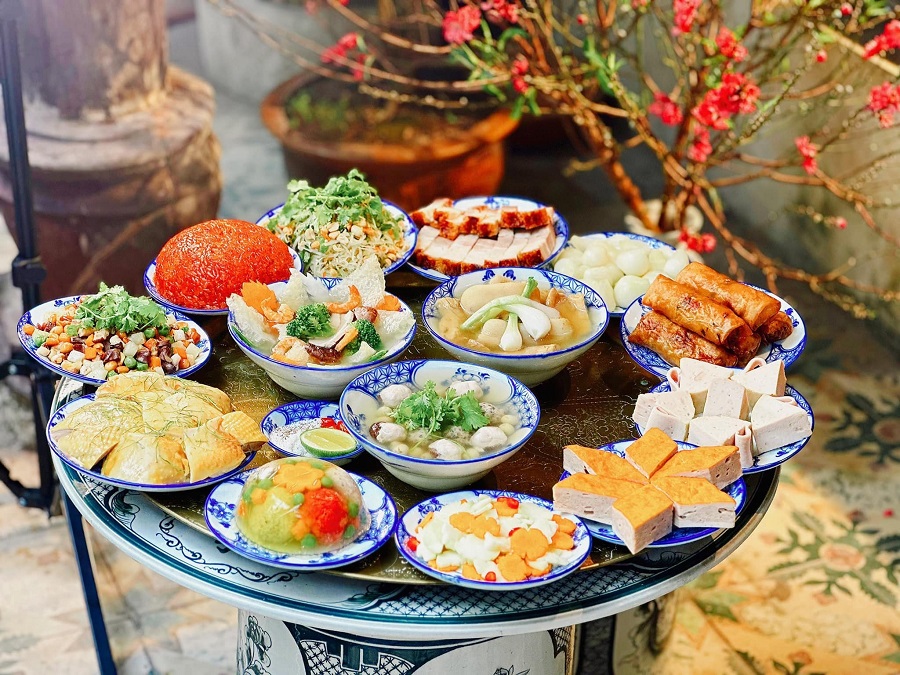
One of the most beloved aspects of Vietnam New Year traditions is the rich culinary heritage showcased during the festival. The unique dishes not only satisfy the palate but also carry profound symbolic meanings that reflect hopes for the new year.
Special foods prepared and consumed during Tet represent wishes for prosperity, unity, and longevity. Every ingredient and presentation style is chosen with intention, reflecting cultural values and beliefs.
Banh Chung and Banh Tet – The Heart of Tet Cuisine
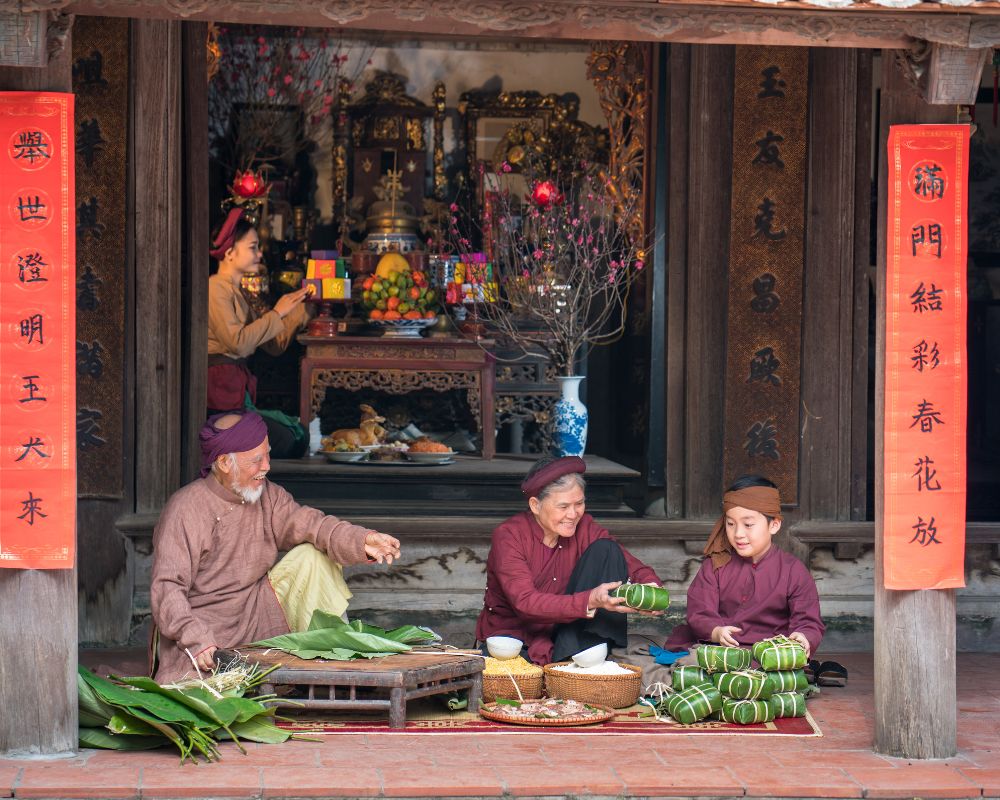
The iconic sticky rice cakes, Banh Chung (square shaped) and Banh Tet (cylindrical), symbolize the Earth and the Universe, representing harmony and balance. These cakes are meticulously handmade with glutinous rice, mung beans, and pork, wrapped in banana leaves, then boiled for hours.
Their preparation is steeped in family tradition, often bringing relatives together in the kitchen. Sharing these cakes is a cultural ritual, honoring ancestors and celebrating the earth’s bounty.
Tet Fruit Tray – Symbolism of Prosperity and Happiness
Displayed in every Tet celebration is the fruit tray containing five different fruits, each representing a particular wish such as luck, wealth, or health. Typical fruits include pomelos, kumquats, bananas, persimmons, and oranges.
The colors and types of fruit vary depending on the region, but their presence is universally symbolic of abundance and diversity. This visual abundance conveys the hope for a year filled with prosperity and joy.
Other Iconic Dishes and Their Cultural Meanings
Besides cakes and fruit, other customary dishes during Tet include boiled chicken, pickled onions, jellied pork (Gio Lua), and candied fruits. These dishes symbolize loyalty, purity, resilience, and sweetness in life.
Each dish serves not only as nourishing sustenance but as a living tradition that transmits cultural values from generation to generation. The act of preparing and eating these foods together reinforces social identity and respect for heritage.
Vibrant Customs and Rituals That Illuminate Vietnam New Year Traditions
The beauty of Vietnam New Year traditions is visible through the colorful and meaningful rituals that span several days. These customs blend spirituality, superstition, and collective joy, creating a festive mood unlike any other cultural celebration.
From home decorations to festive performances, every element plays a role in ushering in a lucky and auspicious new year.
Home Decorations Shaped by Tradition and Beliefs
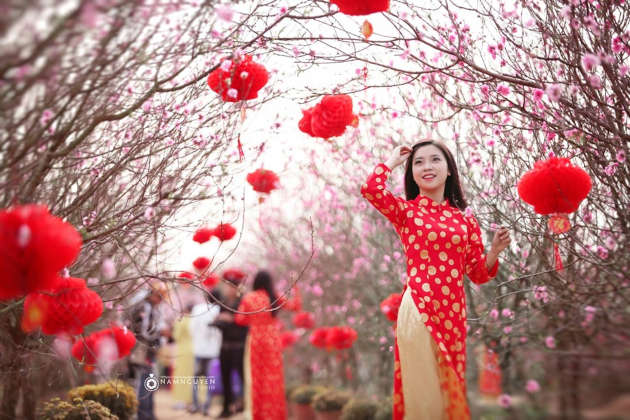
Before Tet arrives, homes are cleaned thoroughly to welcome good spirits and negativity to leave. Homes are bedecked with flowers such as peach blossoms in the north and yellow apricot flowers in the south, representing vitality and hope.
Red banners with lucky characters written in calligraphy hang at doors, inviting happiness and fortune. Kumquat trees are a popular decoration, symbolizing fertility and prosperity. These decorations function as more than mere aesthetics—they carry deep symbolic significance.
First Visitor and Auspicious Beginnings
The belief about the first person to step into a house at Tet, called “Xong Dat,” holds paramount importance. Families often arrange for a lucky, successful, and well-mannered person to be the first visitor after midnight.
This ritual speaks to the wish for success and happiness throughout the year, reinforcing the idea that the new year’s tone is set from the very first moments.
Festival Celebrations: From Lion Dances to Fireworks
Public celebrations add to Tet’s vibrancy with lion dances performed to ward off evil spirits and bring luck. Streets and marketplaces bustle with performances, music, and fireworks illuminating the night sky.
Fireworks are not just entertainment but a tradition to scare off bad luck and welcome a year filled with brightness and hope.
Advice on How to Embrace Vietnam New Year Traditions as a Visitor
Experiencing Vietnam New Year traditions offers a rich cultural immersion, but it’s essential for visitors to grasp the customs respectfully and meaningfully. This ensures an authentic experience while appreciating local values.
Understanding and Participating in Tet Respectfully
Visitors should approach Tet with openness and a willingness to learn about and respect the local customs. Engaging in family meals, observing rituals without interference, and asking questions thoughtfully shows respect.
Dressing modestly, giving red envelopes to children, and participating in communal activities like watching lion dances enhance the authenticity of your experience.
When and Where to Experience Authentic Tet Celebrations
While Tet is celebrated across Vietnam, the intensity and specific customs can vary by region. Northern regions like Hanoi showcase traditional customs like peach blossoms and Banh Chung, while southern areas celebrate with yellow flowers and lion dances.
Plan your visit to coincide with Tet celebrations and seek invitation from local families or community events for deeper engagement in traditions.
Practical Tips During Tet Festivities
Tet is a busy travel period, so anticipate crowded transport and busy marketplaces. Plan accommodations early and be prepared for some businesses to close during the celebrations.
Enjoy the richness of Tet food in moderation and avoid sensitive topics during family conversations. Showing patience and respect will amplify your experience.
Frequently Asked Questions About Vietnam New Year Traditions
What is the date of Vietnam New Year every year?
Vietnam New Year, or Tet, follows the lunar calendar, falling between late January and early February. The exact date changes yearly based on the lunar cycle.
Why is cleaning the house an important tradition during Tet?
Cleaning the house is believed to sweep away bad luck and negative energy from the past year, making room for prosperity and good fortune in the new year.
What is the significance of the red envelopes “li xi”?
“Li xi” are red envelopes containing money given to children and younger family members. They symbolize luck, blessings, and the passing on of good fortune.
What foods are must-haves during Vietnam New Year?
Key Tet dishes include Banh Chung (sticky rice cake), boiled chicken, pickled onions, candied fruits, and a five-fruit tray, all symbolizing health, prosperity, and unity.
How long do Tet celebrations last in Vietnam?
Tet lasts about a week, starting from the last day of the old lunar year through the first few days of the new year, with ongoing family and public celebrations.
Conclusion
Vietnam New Year traditions are a vibrant tapestry of faith, family, food, and festivity that provide a unique window into Vietnamese culture. From spiritual rituals cleansing the past to joyful celebrations embracing the future, Tet invites everyone into a world of renewal and hope. Embracing these customs fully enriches the experience, offering not just a glimpse into a major cultural event but a deep appreciation of a people’s connection to heritage, community, and the promise of a new beginning. Whether through the symbolic cuisine, meaningful rituals, or exuberant festivities, the spirit of Tet remains an enduring symbol of Vietnam’s cultural integrity and joyous optimism.