
Jan
News
Vietnam Lunar New Year Traditions – Celebrating Tet with Culture and Rituals
Vietnam Lunar New Year traditions form the heart of Tet, the most significant annual festival in Vietnam. Rooted deeply in history and marked by vibrant celebrations, these traditions blend ancestral reverence, family reunions, and renewal rituals. This article explores the distinctive customs, cultural narratives, and social meanings that make Tet a remarkable celebration, reflecting Vietnam’s rich heritage and contemporary identity.
Rich Cultural Practices Defining Vietnam Lunar New Year Traditions
Vietnamese Lunar New Year traditions are more than festive celebrations; they represent a cultural framework that has been passed from generation to generation. This section delves into the core rituals and practices that frame Tet, highlighting how they foster community spirit and familial bonds.
Before we examine the specific customs, it’s important to recognize that Tet is not just a day but a season spanning several days, during which different rituals and social customs are observed.
Family Reunions and the Importance of Ancestor Worship
Family is at the center of Tet celebrations. One prominent tradition is ancestor worship, which exemplifies respect for elders and acknowledgment of one’s roots.
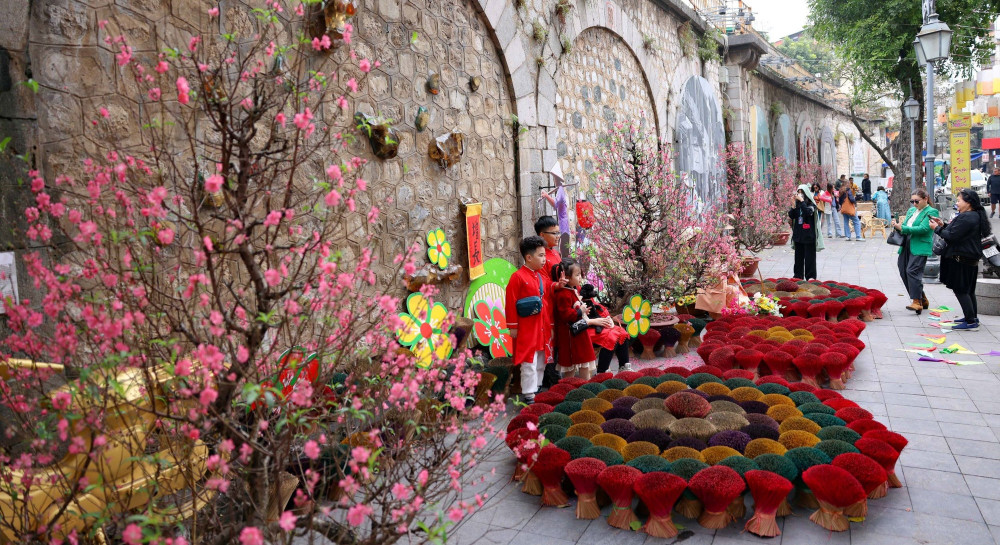
During Tet, families widely practice offerings at home altars to honor deceased relatives. These includes miniature food items, fruits, incense, and flowers. The act is more than a ritual; it’s a spiritual connection believed to invite ancestors’ blessings for health and prosperity in the new year. This practice underscores how Vietnamese society values lineage and continuity.
Families often travel for reunions or send gifts to relatives who cannot join physically. These reunions are essential in affirming family ties, sharing stories, and passing down cultural wisdom.
Preparing Traditional Tet Foods and Symbolic Dishes
Another vibrant facet of Vietnam Lunar New Year traditions is the preparation of special foods imbued with symbolism. These dishes are not merely culinary delights but also carry wishes for fortune, happiness, and longevity.
Key dishes include:
- Bánh chưng (Square Sticky Rice Cake): Made from sticky rice, pork, and mung beans wrapped in dong leaves, representing Earth.
- Giò lụa (Vietnamese Pork Sausage): Symbolizing prosperity.
- Pickled Onion and Pickled Vegetables: For purification and cleansing of the old year’s bad luck.
Families spend significant time making these foods together, which enhances communal bonds. Sharing meals during Tet is believed to foster unity and invite auspicious beginnings.
Giving and Receiving “Lì xì” Red Envelopes
The practice of giving red envelopes called “lì xì” is a youthful highlight during Tet celebrations. Adults give children small envelopes containing money as a token of good luck and silver blessings.
The custom is rooted in symbolic generosity and celebration of wealth distribution. Red is considered lucky in Vietnamese culture, symbolizing virtue, happiness, and wealth. “Lì xì” envelopes serve as tangible communication of goodwill within families and communities.
This tradition encourages mutual respect and care while inspiring children with hope and motivation for the upcoming year.
Spiritual and Social Customs Impacting Vietnam Lunar New Year Traditions
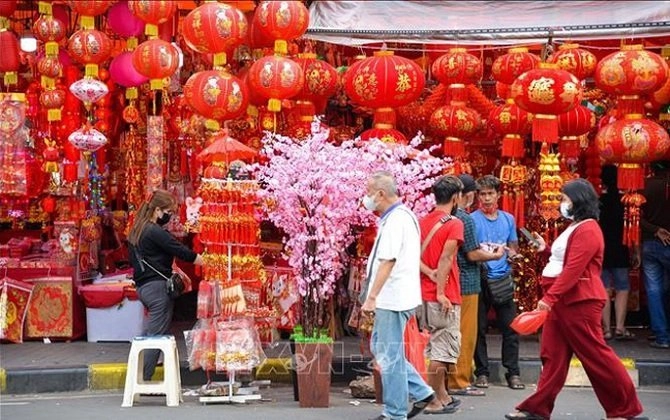
Vietnamese Lunar New Year traditions incorporate a profound spiritual dimension with social activities that create a festive atmosphere. This section discusses the iconic rituals and cultural performances that enliven Tet.
Tet involves reinvigorating spirits, avoiding bad omens, and fostering good fortune through various ceremonies and public celebrations.
First Visitor and Opening the Year with Good Luck
The identity of the first visitor to a home during Tet holds deep significance and is carefully considered. Known as “xông đất” or “xông nhà,” this visitor is usually someone regarded as prosperous and virtuous to invite good luck.
This ritual reflects the Vietnamese belief in spirits’ influence and the interconnectedness of family fortune and external energies. Families may even invite certain acquaintances or relatives to ensure a favorable start.
The concept can be compared with similar New Year customs in China and Korea but remains uniquely adapted to Vietnamese social dynamics.
Fireworks, Lion Dances, and Street Festivities
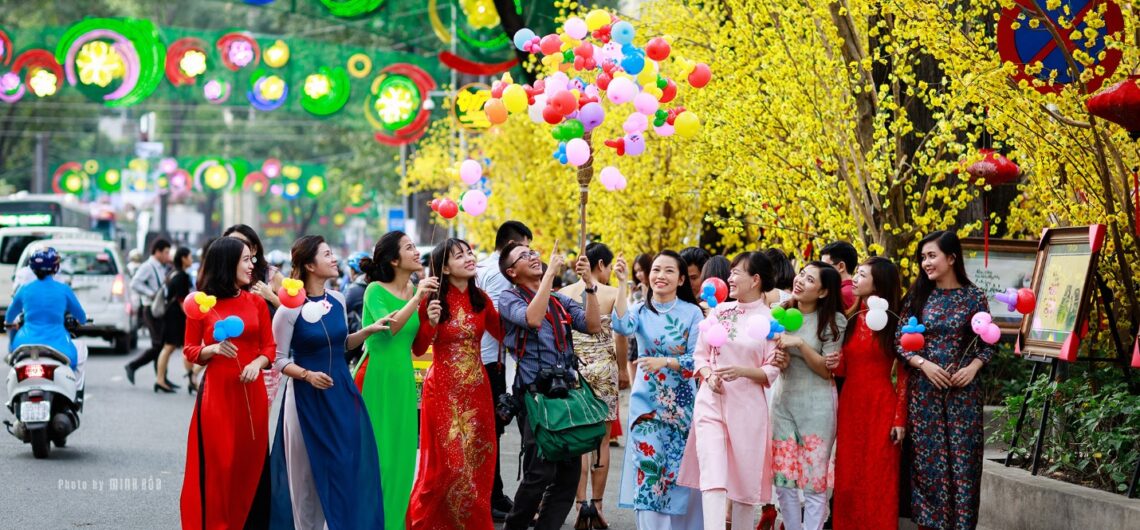
Vietnam’s festive streets glow with vibrant performances during Tet, featuring lion dances, dragon parades, and fireworks displays.
These performances are designed to dispel evil spirits and attract blessings for health and prosperity. The lion dance, in particular, is a cultural heritage passed down through generations, embodying rhythm, art, and communal celebration.
The noise from fireworks is believed to ward off misfortune, while public festivities foster social cohesion. Urban and rural areas alike come alive during these events, mixing tradition with community joy.
Visiting Pagodas and Making Wishes
Religious observance is a cornerstone of Vietnam Lunar New Year traditions. Many families visit Buddhist pagodas to pray for health, success, and peace.
The act of lighting incense and making offerings is a public and personal expression of hope. Pagoda visits are often one of the first activities of Tet to spiritually cleanse and renew the soul.
This practice bridges traditional spiritual practices with modern faith expressions, demonstrating Vietnam’s cultural adaptability.
Symbolism and Modern Influences in Vietnam Lunar New Year Traditions
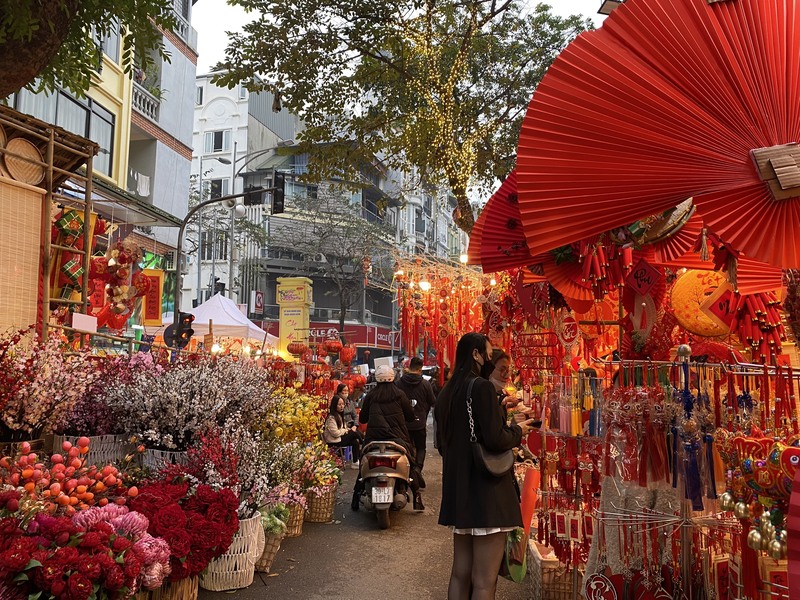
While rooted in ancient beliefs, Vietnam Lunar New Year traditions have evolved, incorporating modern elements without losing their symbolic meanings. This final section explores how contemporary Vietnam integrates tradition in daily life and how the symbolism behind these customs remains relevant.
Symbolic Decorations and Their Meanings During Tet
Homes and public places are adorned for Tet with colors and decorations that symbolize luck and prosperity.
- Peach Blossoms and Apricot Flowers: Indigenous to Northern and Southern Vietnam, respectively, these flowers represent renewal and vitality.
- Kumquat Trees: Symbolize fertility and abundance.
- Calligraphy Paintings: Often displaying wishes for wealth, luck, and happiness.
These visual symbols harmonize with the festive energy, creating an environment conducive to optimism and success.
Influence of Urbanization and Globalization on Tet
With Vietnam’s rapid urbanization and exposure to global culture, Tet celebrations have adapted to new lifestyles.
While rural areas maintain traditional practices, urban dwellers often simplify rituals due to time and space constraints. Commercialization has introduced new ways of gifting and entertainment, but core values of family and luck remain intact.
Technology now also plays a role, with digital greeting cards and virtual gatherings becoming common, especially for scattered families.
How to Participate and Use Vietnam Lunar New Year Traditions Meaningfully
If you wish to embrace or understand Tet, focusing on the underlying values is key:
- Engage in family gatherings and express gratitude toward elders.
- Explore cooking traditional dishes or sharing food with others.
- Learn about symbolic decorations and incorporate them to create a lucky and joyful environment.
- Respect spiritual practices by visiting temples or making simple offerings.
By doing so, even non-Vietnamese participants can honor the essence of Vietnam Lunar New Year traditions—renewal, unity, and hope.
| Vietnam Lunar New Year Traditions | Symbolism | Modern Adaptations |
|---|---|---|
| Family Reunion | Ancestor Blessing | Simplified gatherings in cities |
| Traditional Foods | Prosperity | Ready-made packaged foods |
| Lì xì Red Envelopes | Good fortune | Digital money transfers |
| First Visitor Ritual | Luck | Inviting friends via social media |
| Festive Performances | Ward off evil | Commercial shows and parades |
| Religious Ceremonies | Spiritual Renewal | Online prayers and offerings |
Frequently Asked Questions (FAQs) about Vietnam Lunar New Year Traditions
What is the significance of “Bánh chưng” in Vietnam Lunar New Year traditions?
Bánh chưng symbolizes the Earth and the importance of nature and ancestors in Vietnamese cosmology. It is traditionally prepared during Tet to honor the land and invite blessings for a prosperous year.
How do families choose the “first visitor” during Tet?
The first visitor is chosen based on their character, success, and reputation to bring positive energy and luck. Families may invite someone they believe will bring good fortune or is respected in their community.
Are Vietnam Lunar New Year traditions only celebrated in Vietnam?
While predominantly observed in Vietnam, Vietnamese diaspora communities worldwide also celebrate Tet, preserving their customs and sharing Vietnamese culture abroad.
How have modern lifestyles affected traditional Tet celebrations?
Urbanization and busy schedules have led to simplified rituals and increased commercialization; however, the core values of family unity, respect for ancestors, and hope remain central.
Can non-Vietnamese people participate in Tet customs?
Absolutely. Engaging respectfully in Tet traditions such as sharing meals, exchanging greetings, and understanding the symbolic meanings can offer valuable cultural insights and connections.
Conclusion
Vietnam Lunar New Year traditions offer a profound glimpse into Vietnam’s cultural identity, blending historical customs with contemporary life. Through meaningful rituals such as family reunions, ancestral worship, symbolic foods, and festive celebrations, Tet embodies renewal, unity, and hope. As Vietnam’s society evolves, these traditions adapt, illustrating resilience and continuity. Understanding and participating in these customs can enrich one’s appreciation of Vietnamese culture and the universal human desire for harmony and prosperity during new beginnings.