

Jan
News
Discovering Heritage and Craftsmanship at the Bat Trang Pottery Museum – A Journey into Vietnam’s Ceramic Art
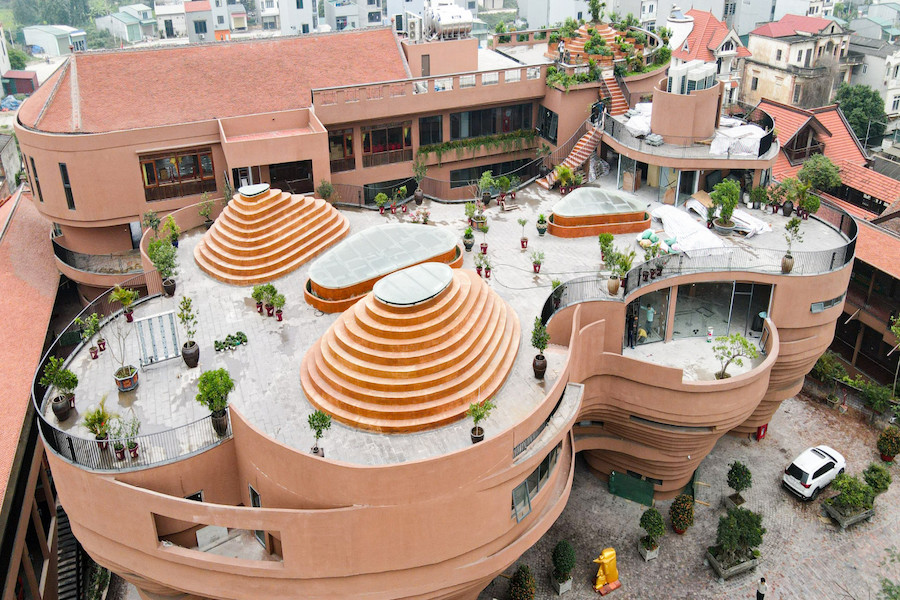
Bat Trang Pottery Museum offers a captivating exploration of Vietnamese ceramic heritage and artistry. This museum embodies centuries of traditional craftsmanship and the evolution of pottery in the famous Bat Trang village, making it a landmark destination for culture enthusiasts, historians, and art lovers alike.
Exploring the History and Cultural Significance of Bat Trang Pottery Museum
Bat Trang Pottery Museum is more than just a display of ceramics—it is a vivid chronicle of a village that has been a pottery hub for over a thousand years. Situated near Hanoi, Bat Trang village is widely recognized for its artisanal expertise and distinct ceramic style, preserved and celebrated within the museum.
The museum provides visitors with an immersive experience, delving into the origins of Bat Trang pottery dating back to the 14th century during the Ly Dynasty. It showcases how ancient techniques passed down through generations continue to thrive in this dedicated community.
Heritage and Evolution of Bat Trang Pottery Techniques
The village’s craftsmen use unique clay sourced from the Red River banks, world-renowned for its quality that imparts a distinct smoothness and durability to the ceramics. Over centuries, the pottery techniques evolved from utilitarian wares to intricate art pieces, incorporating traditional motifs reflecting local culture, mythology, and daily life.
The Bat Trang Pottery Museum illustrates this evolution through detailed exhibits, displaying traditional hand-thrown pots, glazed ceramics, and modern adaptations, making it a living archive of Vietnamese history. Visitors learn about how pottery shaped both local lifestyle and regional trade patterns.
Cultural Impact and Bat Trang Pottery in Everyday Life
Pottery from Bat Trang is not merely an art form but deeply interconnected with Vietnamese cultural rituals, food preservation, and home decor. The museum portrays this cultural symbiosis by explaining various pottery forms’ functional uses in Vietnamese households, ranging from cooking pots to ceremonial tea sets.
Moreover, Bat Trang pottery signifies prosperity, longevity, and respect for ancestors, reflected in patterns and colors that carry symbolic meanings. The museum accentuates these themes through sections dedicated to traditional festivals and pottery’s role in them.
Preservation Efforts and Role of the Museum in Local Community
Understanding the importance of safeguarding this craft, the museum actively contributes to preserving traditional knowledge and promoting sustainable artisan practices. It collaborates with local potters and artisans by hosting workshops and cultural programs, enabling knowledge transmission to younger generations.
The museum also serves as a tourism and educational center, boosting economic growth for Bat Trang village by attracting visitors worldwide, fostering pride and awareness of this cultural treasure. Such community-centered initiatives reinforce the museum’s status as a cultural guardian.
Immersive Exhibitions and Interactive Displays at Bat Trang Pottery Museum

The Bat Trang Pottery Museum offers a dynamic exhibition space that blends traditional displays with modern interactive elements, designed to engage visitors of all ages and backgrounds with the world of ceramics.
Walking through the museum, visitors encounter a variety of exhibits—ranging from ancient artifacts and pottery tools to contemporary ceramic artworks—presented with detailed narratives and multimedia aids.
Showcasing Masterpieces: Ancient to Modern Ceramic Artworks
One of the museum’s highlights is its extensive collection of pottery pieces dating back centuries. These masterpieces illustrate the rich artistic diversity of Bat Trang ceramics, including delicate porcelain bowls, colorful vases, and robust storage jars.
The exhibition traces how design motifs, glazing techniques, and production methods evolved with different dynasties’ influences, combining indigenous styles with foreign inspirations from trade routes. This visual journey enriches the appreciation of ceramic art’s cultural complexity.
Hands-On Experience with Pottery Making Workshops
A distinctive feature of the museum is its interactive workshop space where visitors get the chance to engage hands-on with pottery making. Guided by skilled artisans, guests can try their hand at shaping clay on the potter’s wheel, glazing, and even firing ceramics.
This experiential approach enhances understanding of the craft’s technical demanding process and its meditative, artistic nature. It transforms visitors from passive observers into active participants, deepening their connection with Bat Trang’s pottery heritage.
Educational Technologies Enhancing Visitor Engagement
The museum integrates digital technology through augmented reality and touchscreens that explain pottery techniques, kiln operations, and the chemistry behind glazes in an accessible, visually appealing way. These tools cater to diverse learning preferences, making the complex craft understandable and enjoyable.
Such innovative methods highlight the museum’s mission to preserve tradition while embracing modernity, reaching broader audiences and inspiring interest in Vietnamese cultural arts.
Planning Your Visit to Bat Trang Pottery Museum – Tips and What to Expect
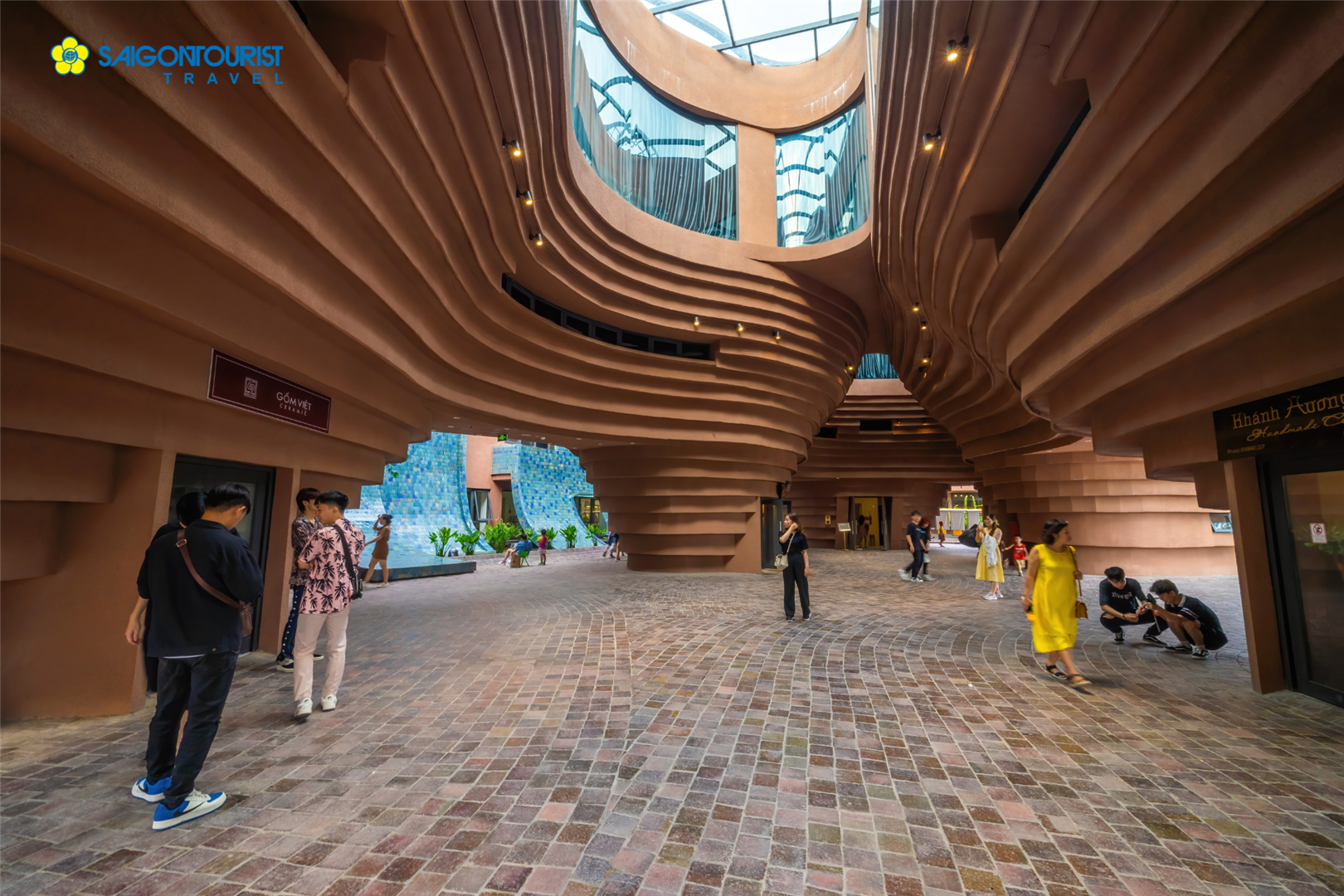
Visiting the Bat Trang Pottery Museum is a rewarding experience that demands some planning to maximize your time and appreciation of the exhibits and activities on offer.
Best Times to Visit and Accessibility
The museum is open throughout the year, but spring and autumn months provide pleasant weather to explore the village surroundings comfortably. Weekdays generally tend to be less crowded, offering a more intimate experience with the displays and workshops.
Located just 13 kilometers from Hanoi, the museum is easily accessible by taxi or organized tours, making it a convenient day-trip option for travelers based in the capital.
Navigating the Museum and Adjacent Attractions
The museum layout is designed for a comprehensive visit, starting from historical galleries moving towards interactive stations and ending with a souvenir shop featuring locally made ceramics. Allow at least two to three hours to absorb the full experience.
In addition to the museum, visitors can explore Bat Trang village itself, renowned for its bustling pottery markets where you can purchase unique ceramics directly from artisans, see live demonstrations, and savor local cuisine.
Visitor Amenities and Tips for a Memorable Experience
The museum provides amenities such as guided tours, interpretive brochures in multiple languages, and a café offering refreshments inspired by traditional Vietnamese flavors.
For a memorable visit, it is advisable to wear comfortable clothing suitable for pottery workshops and bring a camera to capture exquisite ceramic art. Engaging with local artisans and asking questions adds an enriching dimension to the cultural discovery.
The Economic and Artistic Impact of Bat Trang Pottery Museum on Vietnam’s Craft Industry
The influence of Bat Trang Pottery Museum extends beyond its walls, playing a significant role in uplifting Vietnamese ceramic arts on both national and international stages.
Revitalizing Traditional Craftsmanship and Market Demand
By spotlighting authentic Bat Trang pottery, the museum helps sustain demand for handcrafted ceramics amid growing industrialization. The recognition and appreciation generated contribute to better income opportunities for local potters and encourage younger artisans to continue the craft.
The museum acts as a catalyst for creating premium ceramics that blend traditional skills with contemporary design, appealing to collectors and connoisseurs globally.
Promoting Cultural Tourism and International Awareness
As a cultural landmark, the Bat Trang Pottery Museum attracts increasing numbers of foreign tourists, contributing significant revenue to Vietnam’s tourism sector. The museum’s exhibition and workshop model serve as effective cultural ambassadors, showcasing Vietnamese heritage with pride and authenticity.
Partnerships with international museums and participation in global craft fairs amplify Vietnam’s presence in the world art scene, positioning Bat Trang ceramics as symbols of fine Asian artistry.
Encouraging Innovation and Sustainable Practices in Pottery
Balancing tradition with innovation, the museum encourages creative experimentation in forms, glazing materials, and production techniques. It also promotes environmentally friendly practices in pottery making, advocating for responsible clay sourcing and waste management.
Such forward-thinking strategies ensure that Bat Trang pottery remains a vibrant, evolving art form with enduring relevance for future generations.
FAQs About Bat Trang Pottery Museum
What makes Bat Trang Pottery Museum unique compared to other ceramic museums?
Bat Trang Pottery Museum stands out due to its deep integration with the local pottery village’s living tradition. Unlike standard museums, it offers hands-on workshops, live artisan demonstrations, and a comprehensive historical narrative specific to Bat Trang’s unique clay and techniques.
How can visitors participate in pottery workshops at the museum?
Visitors can join workshops led by professional potters where they learn the essential steps of pottery making, from shaping clay to firing finished pieces. These sessions are suitable for beginners and are often included in admission or available as add-on experiences.
Is Bat Trang Pottery Museum suitable for children and families?
Absolutely. The museum’s interactive displays and workshops are family-friendly, providing educational fun for children. The tactile experience of making pottery helps engage young visitors and stimulates creativity.
Are the ceramic pieces exhibited for sale at the museum?
While many pieces on display are historical or museum-quality and not for sale, the museum features a gallery and a nearby marketplace where visitors can purchase handcrafted ceramics produced by local artisans, supporting the village economy directly.
What are some tips for making the most of a visit to Bat Trang Pottery Museum?
To maximize your experience, plan your visit during less busy times, participate in workshops, take a guided tour to gain in-depth context, and explore the surrounding village for pottery shopping and cultural immersion.
Conclusion
The Bat Trang Pottery Museum is a vital cultural institution that preserves and celebrates Vietnam’s rich ceramic heritage through engaging exhibitions, hands-on workshops, and community collaboration. It offers an immersive experience into the timeless art of pottery while fostering economic and artistic growth in the Bat Trang village. Whether as a heritage enthusiast, a traveler, or an aspiring artisan, visiting the museum presents a unique opportunity to connect with Vietnamese culture, history, and craftsmanship through the art of pottery.