

Jan
News
Cooperation in the Production of Bat Trang Ceramics – Enhancing Tradition and Innovation
Cooperation in the production of Bat Trang ceramics plays a crucial role in preserving the rich heritage of this centuries-old craft while embracing innovation and modern business strategies. By fostering collaboration among artisans, manufacturers, designers, and marketers, Bat Trang’s ceramic industry not only sustains its historical value but also expands its reach in the global marketplace.
Significance of Cooperation in Preserving Bat Trang’s Ceramic Craftsmanship
The Bat Trang village in Vietnam is renowned worldwide for its exquisite ceramics, reflecting centuries of cultural heritage. Cooperation in the production of Bat Trang ceramics enhances the village’s ability to uphold traditional techniques while adapting to the changing demands of the contemporary market.
The Role of Community Collaboration in Bat Trang’s Ceramic Traditions
Community participation is the backbone of Bat Trang’s ceramics industry. Artisans, often families passing down techniques through generations, collaborate closely to maintain consistent quality and creativity. This shared craftsmanship helps preserve time-honored skills such as hand-throwing pottery wheels, glazing, and intricate painting.
In such a cooperative environment, knowledge exchange is key. Experienced master potters mentor younger artisans, ensuring valuable expertise is not lost. The collective spirit of the Bat Trang community fosters a supportive atmosphere where artisans innovate while respecting tradition.
How Cooperative Production Models Strengthen Quality and Innovation
Cooperative production models enable the pooling of resources, enhancing access to high-quality raw materials and advanced production technologies. This collaborative infrastructure encourages experimentation with new designs and modern aesthetics, vital for appealing to international markets.
Moreover, cooperation reduces production costs and boosts efficiency by sharing facilities and machinery. Bat Trang’s artisans can meet larger orders and diversify product lines, ranging from classical vases to contemporary ceramic art pieces, balancing tradition with innovation seamlessly.
Impact of Collaboration on Market Expansion and Branding
Cooperation in production facilitates unified branding and marketing efforts, crucial for penetrating competitive global markets. Bat Trang ceramic producers working together can create a stronger brand identity that emphasizes authenticity, cultural heritage, and craftsmanship excellence.
Joint participation in international trade fairs, exhibitions, and e-commerce platforms enhances visibility and consumer trust. Collaborative approaches to packaging, certifications, and storytelling add significant value to Bat Trang ceramics, driving demand and ensuring sustainable growth for the community.
Modern Techniques and Traditional Practices Blending Through Collaboration
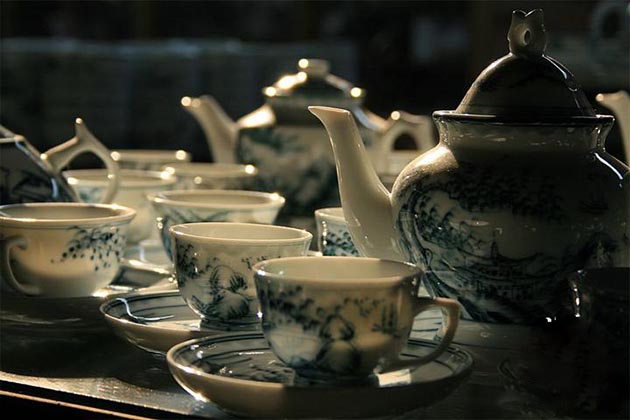
In Bat Trang, the fusion of contemporary methods with traditional practices is not just possible but thrives through effective cooperation. This blending brings new life to the craft, making it relevant and competitive worldwide.
Integration of Advanced Technology with Traditional Craftsmanship
By cooperating, artisans gain better access to technological advancements such as digital design software, kiln automation, and high-precision glazing techniques. These tools improve product consistency and allow creative experimentation without compromising the handmade essence.
Such synergy enables Bat Trang ceramists to produce innovative designs like intricate 3D textures and eco-friendly ceramic finishes. The collaboration between tech experts and traditional artisans bridges gaps, ensuring that technology augments rather than replaces artisanal skills.
Training and Skill Development Initiatives in Cooperatives
Cooperative frameworks create opportunities for structured training programs that enhance artisans’ capabilities. Workshops on modern marketing, design trends, and quality control empower craftsmen to meet dynamic market expectations while retaining mastery over their heritage skills.
Through shared learning environments, artisans exchange feedback constructively, refining their craft collectively. These programs also attract young talent to the trade, vital for the craft’s longevity and continued innovation within the Bat Trang ceramics community.
Balancing Heritage and Market Needs With Collaborative Design Strategies
Cooperative product development teams involving designers, artisans, and marketers jointly define the direction of Bat Trang ceramics. This strategy balances preserving iconic patterns and styles with adapting to changing consumer tastes.
Through co-created collections that cater to niche and mainstream markets, Bat Trang ceramics become more versatile. This inclusivity fosters resilience in an evolving marketplace, promoting sustainable production that honors history and embraces new opportunities.
Economic and Social Benefits of Cooperation in Bat Trang Ceramic Production
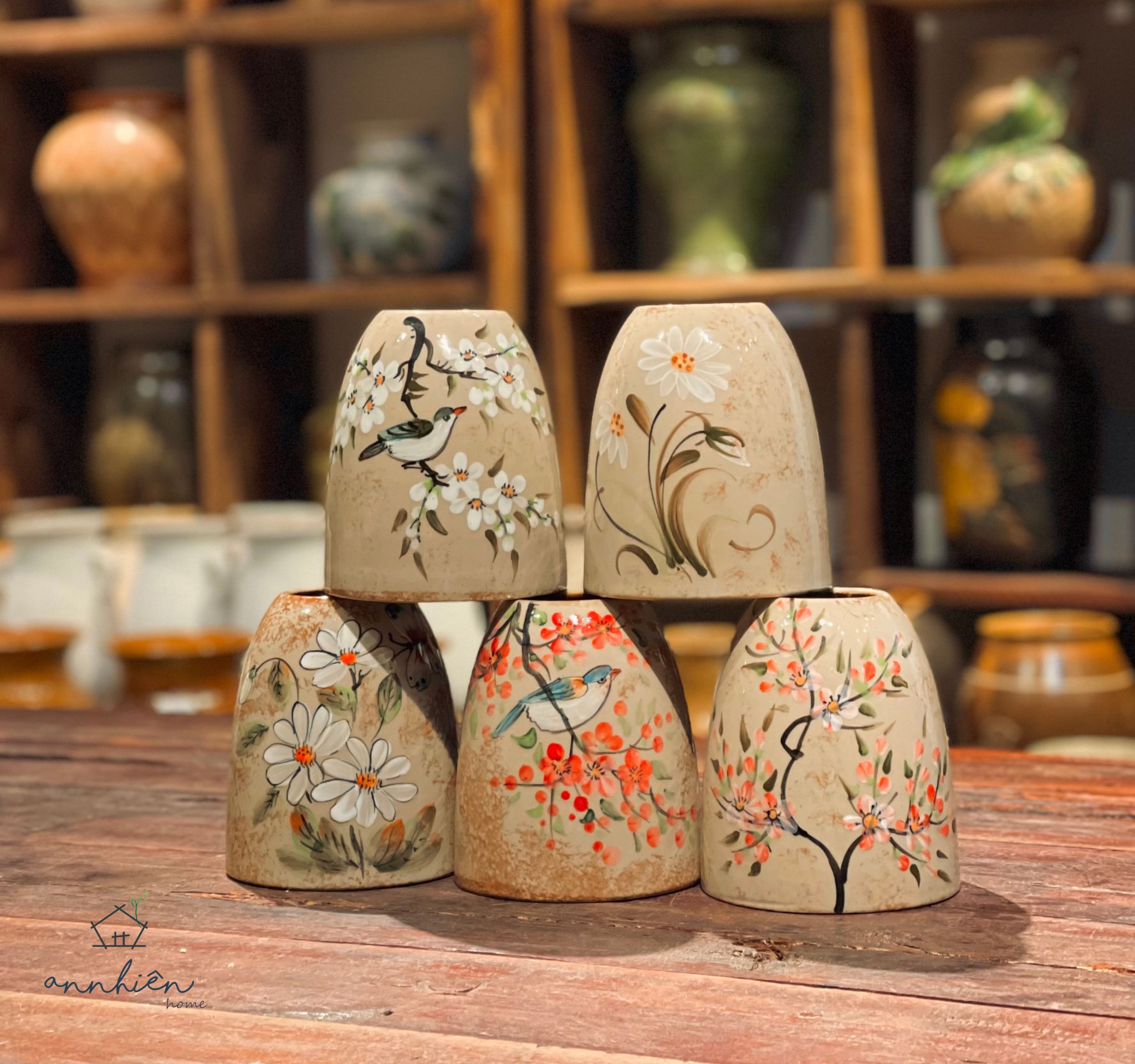
Beyond craftsmanship, cooperation unlocks significant economic growth and improves social cohesion, impacting local livelihoods and community development positively.
Enhancing Economic Stability Through Joint Ventures
Pooling capital and expertise leads to more financially viable production and marketing operations. Joint ventures reduce individual risk, enabling artisans to invest confidently in innovative projects and equipment upgrades.
This economic synergy opens export markets and creates employment opportunities within Bat Trang, raising incomes and boosting the village’s prosperity. The impact cascades through families and local businesses supporting the ceramic trade ecosystem.
Strengthening Cultural Identity and Community Bonds
Cooperative projects reinforce a shared cultural identity anchored in Bat Trang’s ceramic heritage. Collective success fosters pride and reinforces cultural continuity among community members.
Such collaborations nurture mutual respect, reduce conflicts, and build solidarity as artisans work towards common goals. These social benefits enhance the overall well-being and cultural vitality of the Bat Trang community.
Sustainable Development and Environmental Impact Management
Together, stakeholders implement eco-friendly practices more effectively. Cooperation enables investment in sustainable raw materials sourcing, waste reduction, and energy-efficient techniques.
Environmentally conscious production aligns with global consumer preferences, enhancing Bat Trang ceramics’ market appeal and ensuring the natural resources critical to its craft remain protected for future generations.
Best Practices and Strategies for Effective Cooperation in Bat Trang Ceramics
For cooperation to truly flourish, strategic frameworks and best practices need to be implemented that optimize collaboration while addressing challenges unique to the ceramics industry.
Establishing Clear Communication Channels and Shared Goals
Open and transparent communication among cooperative members avoids misunderstandings and conflicts. Defining shared objectives, roles, and expectations creates a unified vision essential for success.
Regular meetings, digital platforms, and face-to-face workshops facilitate ongoing dialogue and collective decision-making. Clear governance structures promote accountability and equitable benefit sharing.
Leveraging Technology for Collaborative Production and Marketing
Digital tools enable real-time coordination between production units, quality monitoring, and inventory management. Online marketplaces broaden reach, allowing cooperative producers to access international customers directly.
Virtual collaboration spaces foster creativity by enabling artisans and designers to co-develop prototypes and campaigns despite geographical constraints, strengthening the cooperative model’s viability.
Cultivating Partnerships With External Stakeholders
Building relationships with government agencies, non-profits, academic institutions, and private investors injects additional resources and expertise into cooperative endeavors.
Such alliances provide training funding, innovation grants, and market intelligence essential for sustained growth. External partnerships also facilitate certification processes that validate Bat Trang ceramics’ authenticity and quality.
FAQs about Cooperation in the Production of Bat Trang Ceramics
What is the main advantage of cooperation in Bat Trang ceramic production?
Cooperation allows artisans to pool resources, expertise, and market access, which leads to higher quality products, innovation, and stronger global competitiveness while preserving traditional skills.
How does cooperation influence innovation in Bat Trang ceramics?
Through collaboration, artisans blend traditional techniques with modern technology and design trends, fostering creativity and producing unique products that meet contemporary consumer demands.
Can cooperation help Bat Trang ceramics reach international markets?
Yes, cooperative branding and joint marketing efforts improve visibility and trust abroad, enhancing export opportunities and global recognition of Bat Trang ceramics.
What social benefits arise from cooperative production in Bat Trang?
Cooperation strengthens community ties, cultural identity, and economic stability, improving quality of life and encouraging younger generations to continue the ceramic craft.
How can technology support cooperation in Bat Trang ceramics?
Technology facilitates efficient communication, digital design collaboration, production management, and e-commerce, enabling cooperative groups to operate cohesively and reach wider markets.
Conclusion
Cooperation in the production of Bat Trang ceramics is fundamental to preserving its rich heritage while catalyzing innovation and economic growth. By fostering community collaboration, integrating traditional craftsmanship with modern technologies, and adopting strategic cooperative models, Bat Trang has successfully maintained its cultural legacy and expanded its global presence. This collective approach not only enhances product quality and diversity but also strengthens economic resilience and social cohesion within the village. Embracing cooperation enables Bat Trang ceramics to continue thriving in the dynamic cultural and commercial landscape, ensuring that this timeless craft endures and evolves for generations to come.