


Jan
News
Bat Trang Ancient Village – Exploring Vietnam’s Timeless Pottery Heritage
Bat Trang ancient village, nestled along the banks of the Red River in Vietnam, is a living testament to centuries of pottery tradition. Renowned for its exquisite ceramics and rich cultural tapestry, this village offers an immersive journey into Vietnam’s artisanal legacy. Visitors and pottery enthusiasts alike flock to Bat Trang ancient village to witness age-old techniques, vibrant markets, and the seamless blend of history and creativity that continues to thrive in modern times.
History and Cultural Significance of Bat Trang Ancient Village
Bat Trang ancient village is much more than a pottery hub—it’s a cultural landmark with deep historical roots. Understanding its origins and the role it plays in Vietnam’s identity offers a profound appreciation for this unique locale.
Bat Trang’s pottery heritage dates back to over a thousand years, establishing the village as one of Southeast Asia’s oldest ceramic production sites. Its strategic location along the Red River facilitated trade and cultural exchanges, enhancing both artistic techniques and pottery styles over centuries. The villagers perfected their craft, creating durable, practical yet artistically significant ceramics that impressed local and international buyers alike.
Origins of Bat Trang’s Pottery Tradition
The legacy of Bat Trang’s pottery began during the Ly Dynasty, a period where the demand for ceramics—both utilitarian and decorative—grew exponentially. Artisans in Bat Trang harnessed the natural resources surrounding them, including fine clay from the riverbanks and natural glazes, to craft products distinctive to the area.
This tradition was passed down through generations, with each layer of artisans contributing innovations while respecting ancestral methods. The village quickly became a cultural epicenter, recognized for its quality and artistic diversity.
The Role of Bat Trang in Vietnamese Culture
Bat Trang pottery is inseparable from the broader Vietnamese cultural narrative. The village produces not merely everyday wares but also ceremonial and symbolic vessels deeply woven into the fabric of local customs. Items crafted here play parts in religious rituals, festivals, and ancestral worship, reflecting the spiritual and social values of Vietnamese communities.
Moreover, the village is a tangible link between past and present, allowing visitors to witness how cultural heritage evolves yet remains grounded in tradition. Bat Trang’s craftspeople act as guardians of intangible cultural knowledge, revitalizing an ancient craft for future generations.
Preservation and Modern Adaptation
Despite globalization and industrialization pressures, Bat Trang ancient village has preserved its traditional methods by adapting intelligently. Contemporary artisans incorporate modern designs and meet international market demands while honoring traditional craftsmanship.
Efforts such as cultural festivals, pottery fairs, and educational workshops help maintain local pride and global awareness. The village balances commercial success with cultural preservation, ensuring that Bat Trang remains a living museum and a dynamic artistic bastion.
Mastering Bat Trang Pottery Techniques – Craftsmanship and Artistry
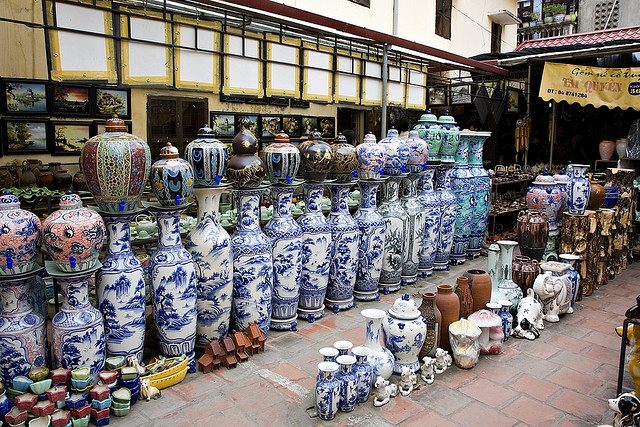
The cornerstone of Bat Trang ancient village’s fame is the meticulous pottery techniques preserved across centuries. Delving into these methods reveals how the villagers achieve such timeless artistry and quality.
Crafting pottery in Bat Trang is a delicate dance between nature, human skill, and artistic vision. It involves several distinct phases, each requiring patience, expertise, and an intimate understanding of materials and fire. The process is a celebration of both tradition and creativity.
Clay Preparation and Selection
The journey begins with sourcing the perfect clay—a critical step that affects the durability and beauty of the final product. Artisans in Bat Trang select soil from specific riverbeds, followed by a purification process to remove impurities.
The clay is then soaked, kneaded, and refined to achieve the ideal consistency, ready for shaping. This attention to material science ensures the unique texture and resilience that characterize Bat Trang ceramics.
Shaping and Detailing: The Potter’s Wheel and Handcraft
Skillful hands work the malleable clay, shaping it into various forms on the potter’s wheel or through hand-molding techniques. Some pottery is intricately carved or embossed with traditional motifs, each pattern symbolizing aspects of Vietnamese heritage.
This stage calls for dexterity and creative intuition, as artisans harmonize function with aesthetic brilliance. Small imperfections are embraced as signs of handmade authenticity, contributing to each piece’s character.
Glazing and Kiln Firing: Transforming Clay into Art
The final transformation occurs in the kiln, where temperature control and glazing science take center stage. Bat Trang potters apply glazes made from natural materials, sometimes mixed with minerals unique to the region.
Glazing not only beautifies pottery with vivid colors and textures but also waterproofs and strengthens the pieces. The firing process—a precise orchestration of heat and time—turns fragile clay into sturdy, functional art.
Visiting Bat Trang Ancient Village – Experiencing the Craft and Culture
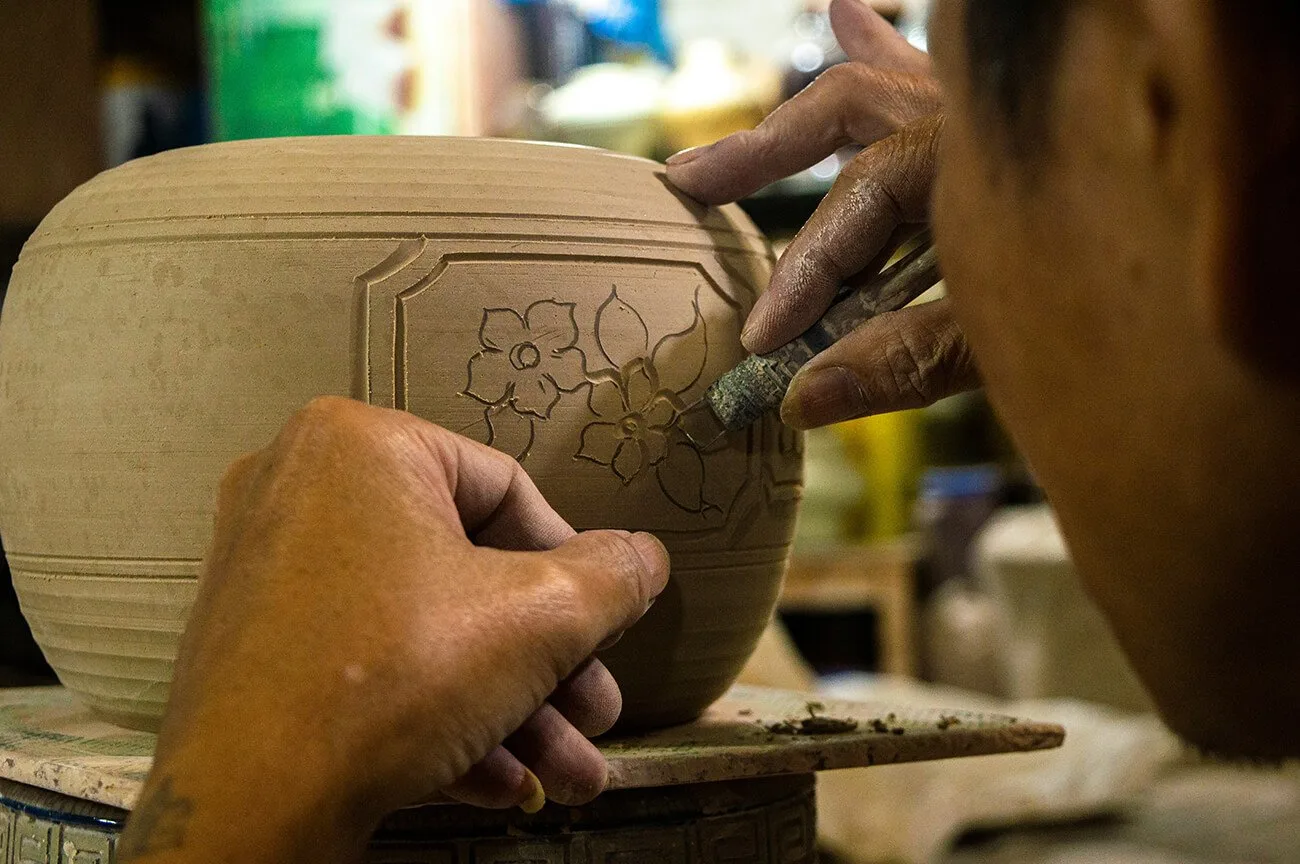
Exploring Bat Trang ancient village offers a multisensory experience: the sights of vibrant markets, the sounds of artisans at work, and the tactile pleasure of handmade ceramics. Visitors gain insights into traditional craft and enjoy a serene rural escape just outside Hanoi.
Before diving into the immersive experience, it’s essential to know what to expect, how to engage authentically, and what makes this village a must-visit destination for cultural travelers.
Navigating the Bat Trang Ceramic Market
Bat Trang’s bustling ceramic market is a spectacle of color and craftsmanship. Visitors can browse hundreds of stalls showcasing everything from everyday dishes to exquisitely detailed art pieces. Prices range accordingly, making it a place suitable for both casual buyers and serious collectors.
Each transaction here is more than an exchange—it’s a connection to centuries of tradition. Artisans often share stories behind their work, enriching the shopping experience with cultural depth.
Participating in Pottery Workshops
The village offers hands-on pottery workshops, inviting tourists to try their hand at the potter’s wheel under expert guidance. These sessions provide not only a fun activity but also a profound understanding of the craft’s challenges and joys.
Learning to shape clay with your own hands fosters respect for the artisans’ skills and creates long-lasting memories linked to the village’s cultural essence.
Cultural Landmarks and Local Cuisine
Beyond pottery, Bat Trang ancient village boasts traditional communal houses, pagodas, and pagodas that reflect regional architecture and history. Walking tours reveal stories of local legends, religious beliefs, and social structures.
Complementing the cultural adventure is Bat Trang’s distinctive cuisine—offering dishes that resonate with the same earthy, authentic spirit as its ceramics. Sampling local food adds another layer of sensory delight and cultural immersion.
How Bat Trang Ancient Village Influences Modern Ceramics and Global Art
Bat Trang’s influence extends beyond its rural boundaries to global artistic and commercial arenas. The village’s ceramics inspire contemporary designers, collectors, and cultural institutions worldwide.
The unique blend of ancient techniques with modern sensibilities results in a dynamic dialogue between past and present, local and global—offering valuable lessons for creative industries everywhere.
Bat Trang Pottery in Contemporary Design
Modern designers increasingly incorporate Bat Trang’s aesthetic elements into furniture, home décor, and fashion accessories. The village’s motifs and glazes inspire new product lines that retain traditional symbolism while appealing to modern tastes.
This cross-pollination elevates Vietnamese ceramics on the international stage and stimulates innovation within the artisan community itself.
Global Collectors and Cultural Exchanges
Bat Trang pottery enjoys high demand among international collectors, who prize its authenticity and craftsmanship. Exhibitions and cultural exchanges help share Bat Trang’s heritage worldwide, fostering respect and support for traditional arts.
Such global attention encourages the preservation of artisanal villages by validating their cultural and economic worth at international levels.
Challenges and Future Directions
Despite successes, Bat Trang faces challenges like mass production competition and environmental concerns linked to resource use. Sustainable practices and fair trade principles are increasingly vital in ensuring the village’s continued vitality.
Engaging younger generations through education and technology integration is crucial for the village to thrive amid evolving market demands while safeguarding its unique cultural identity.
FAQs about Bat Trang Ancient Village
What makes Bat Trang ancient village unique compared to other pottery villages?
Bat Trang is distinguished by its millennium-long continuous pottery tradition, unique local clay, and the preservation of age-old techniques that blend functional design with artistic expression, unlike many places which have modernized or lost traditional methods.
Can visitors create their own pottery in Bat Trang ancient village?
Yes, visitors can participate in hands-on pottery workshops where they learn basic clay handling and shaping under skilled artisans’ guidance, providing a tangible connection to the craft’s complexities and joys.
How do Bat Trang potters maintain traditional pottery-making methods?
Artisans preserve traditional methods through family inheritance, community teaching, and cultural festivals that emphasize the importance of ancient techniques alongside adopting some modern innovations to stay relevant.
Are Bat Trang ceramics suitable for daily use or just decorative?
Bat Trang ceramics are both durable and beautiful, with many products designed for everyday use such as bowls, plates, and teapots, while also offering decorative pieces that serve artistic and cultural purposes.
Is Bat Trang ancient village accessible from Hanoi for tourists?
Yes, Bat Trang is located just a short drive from Hanoi, making it an ideal day trip destination where tourists can easily explore its pottery workshops, markets, and cultural landmarks without extensive travel planning.
Conclusion
Bat Trang ancient village stands as a vibrant emblem of Vietnam’s artistic and cultural heritage. Its enduring pottery tradition, rooted in meticulous craftsmanship and rich historical context, continues to captivate and inspire both locals and visitors worldwide. From crafting unique ceramic masterpieces to serving as a cultural bridge between past and present, Bat Trang fosters a profound appreciation for artistry, community, and tradition that resonates deeply within and beyond Vietnam’s borders.